
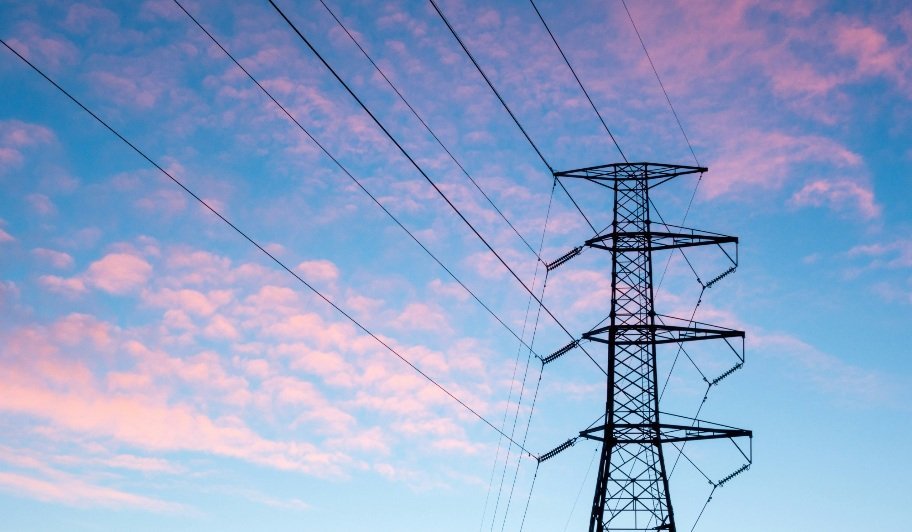
Kenya has entered a $311 million agreement with Pan-African infrastructure fund Africa50 and India’s PowerGrid Corporation to construct two high-voltage electricity transmission lines and substations. This project represents a significant step towards modernising the country’s power infrastructure, improving grid stability, reducing outages, and integrating renewable energy sources. At a time when Africa faces mounting infrastructure gaps, Kenya’s move exemplifies the continent’s growing reliance on public-private partnerships to finance large-scale development projects while managing fiscal constraints.
The project illustrates a strategic response to Kenya’s pressing energy needs. The East African nation has experienced frequent grid overloads, which have caused nationwide blackouts and disrupted economic activity. By collaborating with Africa50, a Morocco-based fund largely owned by African states, and India’s PowerGrid, Kenya seeks to leverage international expertise and private capital to deliver a resilient electricity network. The deal highlights how African states increasingly use innovative financing mechanisms, including the securitisation of revenue streams, to address infrastructure deficits in the face of high public debt.
READ ALSO: How Kenya’s New Funds Could Shift Public Investment Paradigms
Project Scope and Impact
Under the agreement, Africa50 and PowerGrid will undertake the full lifecycle of the transmission infrastructure, from design and construction to operation, over a 30-year concession period. Kenya Electricity Transmission Company Limited (KETRACO), a state-owned entity, will serve as the contracting authority. The new lines are expected to enhance system stability, reduce technical losses, and limit load shedding, while facilitating the integration of renewable energy sources such as geothermal and solar power. This infrastructure boost will ultimately expand reliable electricity access for millions of Kenyans, supporting both households and industries.
Kenya’s decision to pursue private-sector partnerships stems from fiscal necessity. With traditional financing avenues constrained by public debt levels and resistance to new tax measures, the government has increasingly turned to private capital to fund critical projects. While critics warn of potential long-term liabilities arising from opaque contractual arrangements, the government maintains that such collaborations are essential for meeting the country’s energy and development ambitions.
Kenya’s initiative is part of a broader African trend toward modernising energy infrastructure through collaborative investment. Across the continent, governments are increasingly partnering with private firms and international funds to close energy gaps, promote renewables, and stimulate industrial growth. Africa50, the continent’s pan-African infrastructure fund, exemplifies this approach, providing a platform for mobilising investment in projects that enhance energy security and economic resilience. By adopting such models, African nations can accelerate development without deepening fiscal burdens, aligning with broader continental goals for sustainable energy and economic growth.
Integration with Renewable Energy
Beyond immediate grid stability, the project underlines Kenya’s commitment to a cleaner energy future. The integration of renewable energy into the national grid aligns with both Kenya’s national energy policy and continental strategies, including the African Union’s Agenda 2063 and the African Renewable Energy Initiative. By facilitating smoother incorporation of geothermal, solar, and wind power, the new transmission lines will help Kenya reduce its carbon footprint, diversify energy sources, and provide affordable electricity for development sectors ranging from manufacturing to technology.
Kenya’s deal also offers lessons for emerging economies worldwide. It demonstrates how leveraging international expertise, innovative financing models, and long-term concession agreements can help countries overcome infrastructure bottlenecks. For investors, it signals the growing attractiveness of Africa’s energy sector, where demand for reliable electricity is rising rapidly alongside economic growth and urbanisation. Strategically, it reinforces the value of partnerships that combine private efficiency with public oversight to achieve development objectives.
Kenya’s $311 million power infrastructure project underscores the critical role of collaborative investment in addressing energy deficits across Africa. By blending private capital, pan-African institutional support, and international engineering expertise, the country positions itself to achieve reliable, clean, and sustainable power delivery. As African nations increasingly adopt similar strategies, the continent stands poised to transform its energy landscape, unlock economic potential, and chart a development trajectory that balances fiscal responsibility with robust growth.
on 16 December 2025






0 Comments